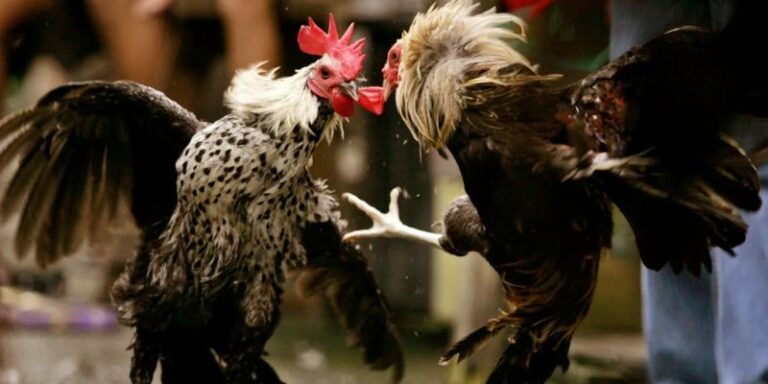
Physical condition and shape - The physical attributes of fighting roosters
Top-tier fighting roosters are not simply powerful fighters, but also symbols of tradition, passion, and fighting skills for Vietnamese rooster enthusiasts. Choosing the right rooster, employing the correct training techniques, and providing optimal nutrition will help the rooster maximize its fighting potential. In this article, s8 club we will explore top-tier fighting roosters, evaluation criteria, and secrets to raising and successfully competing with them.
Top Fighting Roosters: Criteria for Evaluation and Selection of Fighting Roosters

When selecting top-tier fighting roosters, many criteria must be considered to ensure the rooster possesses superior fighting ability. First, in terms of appearance, top-tier roosters usually have a well-proportioned, muscular build, short, strong legs, sturdy feet, and sharp claws. This criterion allows them to react quickly and decisively in both attack and defense.
Furthermore, a fighting rooster’s ability also depends on its mental qualities and reflexes. Powerful fighting roosters often exhibit tenacity, refusing to give up, and the ability to adapt quickly when facing different opponents. Skill in controlling strength and reacting flexibly is the secret to these roosters winning every match, thus becoming top contenders in the Vietnamese rooster fighting scene.
Top 10 Fighting Roosters in Vietnam: Analysis and Characteristics
The list of top fighting roosters in Vietnam is based not only on their fighting achievements but also on their physical characteristics, psychology, and training techniques. Among them, the most outstanding roosters often possess a combination of good genes, proper care, and professional training techniques. Common characteristics of top fighting roosters include glossy, beautiful plumage, a stable stance, strong legs, and sharp scales.
Each fighting rooster on this list possesses outstanding characteristics, such as excellent dodging ability, quick counter-attacks, long-lasting stamina, and the ability to maintain tactical discipline throughout the match. In particular, these breeds of roosters often display high confidence during fights, rarely panicking in the face of opponent’s attacks, delivering extremely dangerous and effective blows. These fighting roosters clearly demonstrate an indomitable warrior spirit, leaving fans in awe.
Top Techniques for Training Fighting Roosters: Secrets from Experienced Rooster Breeders
Top-tier fighting cock training is an art that combines specialized knowledge and practical experience. Experienced trainers typically begin by selecting the right breed of rooster, then develop a training regimen tailored to each individual bird. The training methods focus not only on increasing strength but also on improving agility, flexibility, and developing sharp reflexes.
In addition, training also incorporates exercises focusing on reflexes, precise movement, and psychological control for the roosters. Some key secrets from experienced trainers include establishing a phased training regimen, combining gentle exercises that gradually increase in intensity, and alternating them to ensure the fighting roosters are not overloaded. This meticulousness and perseverance are the keys to creating the best fighters.
Nutrition for Top-Tier Fighting Roosters: The Optimal Diet
Proper nutrition plays a crucial role in maintaining the health and enhancing the fighting ability of top-performing fighting roosters. Protein-rich foods such as egg yolks, beef, shrimp, fish, and special feeds help roosters develop strong, resilient muscles. In addition, fruits and vegetables provide vitamins and minerals that boost the rooster’s immune system and prevent disease.
In addition, supplementing with vitamins and micronutrients as recommended by experts is key to ensuring fighting roosters remain healthy, capable of long-term competition, and maintaining peak fighting spirit. Strict nutritional management also helps minimize the risk of disease, thereby extending the rooster’s lifespan. Proper nutrition is the foundation for keeping fighting roosters always ready to fight.
Top-Tier Healthcare for Fighting Roosters: Disease Prevention and Treatment
Top-tier healthcare for fighting roosters requires meticulous attention to regular check-ups, coop hygiene, and prevention of common diseases such as intestinal diseases, mouth ulcers, malaria, and parasitic infections. The roosters need to be bathed regularly and provided with a well-ventilated, clean living environment to minimize the risk of disease transmission.
During treatment, cockfighting enthusiasts typically use appropriate medications as prescribed by the veterinarian, while also focusing on recovery after the fighting cock is ill. Closely monitoring the chicken’s health helps detect early signs of abnormalities, allowing for timely intervention. Proper health care is the secret to maintaining the peak performance of top-tier fighting cocks.
History and Origins of Vietnam’s Top Fighting Rooster Breeds
The top fighting rooster breeds in Vietnam typically originate from traditional breeds that have been selectively bred over many generations to suit the Vietnamese climate and physical characteristics. A special feature of these breeds is the perfect combination of local breeds and renowned breeds such as Tao, Noi, Lenge, and Ri, resulting in warriors with the best fighting abilities.
The development history of these chicken breeds reflects the distinctive features of Vietnamese culture and fighting traditions over many centuries. Many ancient breeds have become symbols, closely associated with traditional competitions, representing standards of skill, tactics, and unwavering fighting spirit.
Top Fighting Roosters: Market Value and Economic Potential
In the field of breeding and owning fighting roosters, top-tier fighting roosters always command high prices and are considered valuable assets by breeders, investors, or rooster clubs. The value of a top-tier fighting rooster is based not only on its appearance and tactics but also on its fighting achievements, lineage, and unique genetic makeup. The market for buying and selling fighting roosters is thriving, generating significant economic benefits.
Furthermore, the industry related to the care, nutrition, competition, and training of fighting roosters is opening up many job and investment opportunities. Top fighting roosters are not only contestants but also become brand symbols, contributing to the sustainable development of the fighting rooster trade. The economic potential of this sector is expanding, attracting many businesses to participate.
Rules and Regulations in Top Cockfighting Tournaments
Top cockfighting tournaments always come with a clear set of regulations to ensure fairness, safety, and professionalism. These regulations include weight limits, age restrictions, fighting techniques, and health checks for the fighting roosters before they enter the arena. Adherence to the rules also helps to prevent cheating and protect the rights of all participants.
The regulations also extend to organizing matches, penalizing non-standard practices, and creating a healthy competitive environment, enhancing the image of cockfighting in the community. Understanding and adhering to the rules will help breeders and fighting roosters feel more confident when entering the competition, thereby creating exciting, fair matches and inspiring cockfighting enthusiasts.
Top-Tier Fighting Roosters: Distinguishing Good and Poor Quality Roosters
Distinguishing between good and poor-quality fighting roosters not only helps avoid wasting money but also ensures effectiveness in competition or breeding. Top-quality fighting roosters possess a well-proportioned physique, long legs, agile movement, quick reflexes, and good health. Conversely, poor-quality roosters often have an unbalanced physique, scraggly feathers, slow reflexes, and are easily fatigued.
Experienced cockfighting enthusiasts often rely on careful observation of appearance, reflexes, movement patterns, and adaptability to clearly distinguish between good and bad fighting cocks. Selecting a good fighting cock requires extensive knowledge, practical experience, and direct testing. Therefore, choosing the right rooster will lead to higher effectiveness in competition and long-term breeding.
Common Mistakes When Raising Top-Tier Fighting Roosters
During the breeding process, many common mistakes are made by novice cockfighting enthusiasts, such as lack of knowledge in care, failure to conduct regular health checkups, or overtraining that causes fatigue and injury to the fighting cock. In addition, neglecting proper nutrition can also lead to weakened and less effective fighting.
Often, experienced chicken breeders overlook crucial disease prevention or fail to develop a clear training plan, preventing their chickens from reaching their full potential. It’s essential to stay updated on knowledge, listen to expert advice, and combine proper nutrition, care, and training to avoid regrettable mistakes.
Summary
In the journey of hunting, raising, and competing for top-tier fighting roosters, criteria such as appearance, fighting ability, training techniques, and nutrition play an extremely important role. In particular, recognizing and distinguishing good roosters, and avoiding common mistakes, will help breeders improve the performance and value of their fighting roosters. Furthermore, understanding the rules of competition and the origins of traditional Vietnamese rooster breeds contributes to preserving and promoting the cultural beauty of this sport.
Top-tier fighting roosters are not only symbols of strength, strategy, and fighting spirit, but also open up many economic development opportunities, contributing to the enrichment of the breeding community and nurturing the Vietnamese fighting rooster industry to become increasingly strong. Preserving and promoting traditional values, while simultaneously updating advancements in training techniques and nutrition, will help you always have top-class warriors ready to conquer any challenge.