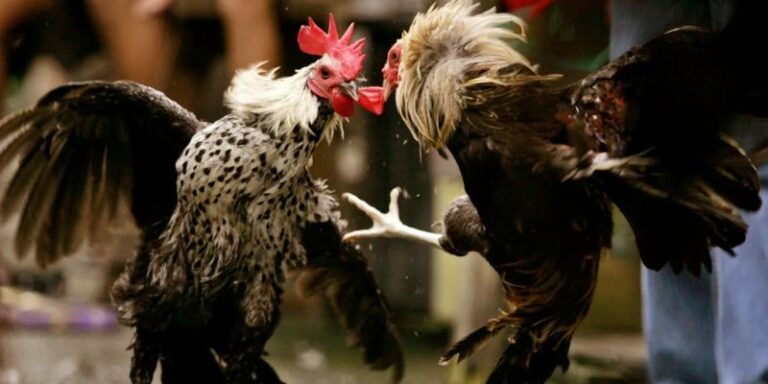
Key criteria that help fighting roosters become top-tier in the world of cockfighting.
In the context of traditional Vietnamese culture, which has always placed great importance on folk sports such as cockfighting,Number of fighting roostersCurrently, it is attracting increasing attention from farmers,trang chủ XX88 researchers, and managers. Maintaining and developing the number of fighting roosters is not only about preserving a part of cultural heritage but also brings many economic and social benefits.
Overview of the Number of Fighting Roosters in Vietnam: Analysis and Evaluation
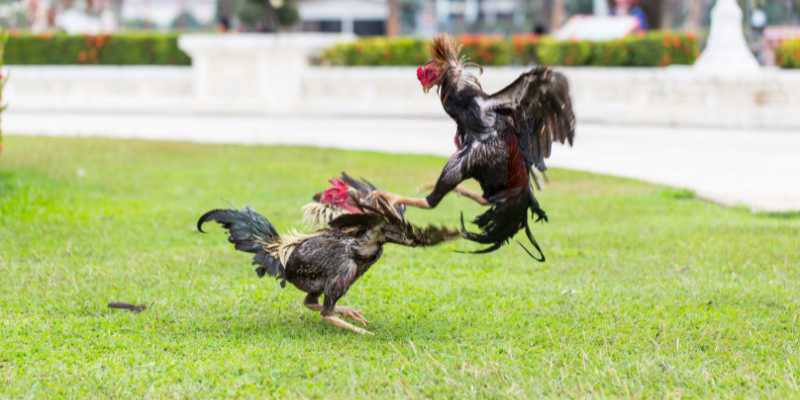
In recent years,Number of fighting roostersIn Vietnam, the trend of raising fighting roosters is increasing, but many limitations remain. War zones, farms, and cockfighting clubs are constantly reviving and maintaining the tradition of raising fighting roosters as a beautiful custom. However, this depends on economic factors, policies, and the migration of high-fighting rooster breeds that suit the preferences of breeders.
Overall, the number of fighting chickens remains scattered and cannot yet be consolidated into a unified system for sustainable development. This is partly due to a lack of appropriate incentive policies or investment from local authorities, as well as the fact that raising fighting chickens requires special care and training, posing many difficulties for the average person. However, breakthroughs in technology and community awareness open up many opportunities to increase the number of fighting chickens more effectively in the future.
Factors Affecting the Current Number of Fighting Roosters and Breed Structure
The development ofNumber of fighting roostersThe health and fighting ability of fighting chickens are strongly influenced by several environmental factors, disease control, and genetic selection. Climate conditions, feed, and training methods are key factors determining the health and fighting ability of the chickens. In addition, social factors such as beliefs and the desire for winning fighting chickens also contribute to either promoting or limiting the number of chickens raised.
In terms of breed structure, Vietnam currently has several typical fighting chicken breeds such as the North-Central, South, and local breeds characteristic of each region. Proper classification and selection of breeds not only helps improve winning rates but also contributes to enriching and diversifying the gene pool of domestic chicken breeds, creating conditions for more comprehensive breeding and expansion of fighting chicken farming.
Economic Impact of the Number of Fighting Roosters on the Livestock and Entertainment Market
Number of fighting roostersCockfighting plays a significant role in the economic activities of the livestock industry in general and Vietnam’s traditional entertainment market in particular. Cockfighting is not only an opportunity for families and communities to demonstrate solidarity and fighting spirit, but also a source of income from betting, tournament organization, and the sale of breeding chickens, feed, and training equipment.
Furthermore, the food processing industry using fighting roosters has opened up many opportunities for people to prosper, especially in localities with a tradition of raising roosters such as Bac Ninh and Quang Binh. Promoting the production of fighting roosters in appropriate quantities also creates economic linkages, contributing to the long-term development of this traditional industry, while simultaneously meeting the cultural entertainment needs of the Vietnamese community.
Current Status of Fighting Rooster Farming: Challenges and Opportunities for Increasing Numbers

The demand for raising fighting chickens is increasing, along with the growing challenges related to breeds, breeding techniques, and diseases. One of the major difficulties is the lack of qualified chicken breeds and consensus on selective breeding. Furthermore, environmental factors, pollution, and diseases such as avian influenza also pose significant threats to the current fighting chicken population.
Conversely, opportunities to increase the number of fighting chickens lie in applying scientific and technological advancements, developing sustainable chicken farming models, and providing technical training for breeders. The expanding domestic and export markets further boost the industry’s growth, contributing to community value enhancement and the preservation of traditional cultural values.
Solutions for Improving the Quality and Quantity of Fighting Roosters: Lessons from Farms
Successful fighting cock farms all have their own secrets to improving the quality and quantity of their chickens. One of the outstanding solutions is the combination of science and technology in breeding, care techniques, training, and strict disease control. Farms regularly import new breeds and conduct crossbreeding to improve the fighting characteristics and health of their fighting cocks.
Furthermore, establishing a suitable feed management system and an ideal breeding environment helps reduce losses and increase productivity. Successful models also serve to inspire and raise community awareness about the value of sustainable fighting chicken farming, contributing to an increase in both the quantity and quality of fighting chickens in the near future.
Analysis of the Number of Fighting Roosters by Region: Differences and Development Potential
Throughout the country,Number of fighting roostersThe distribution is uneven, clearly reflecting differences in climate, culture, and economic conditions. The mountainous regions of the North, Central, and South have distinct characteristics regarding suitable fighting chicken breeds, along with traditional customs and practices for raising fighting chickens.
Analysis of the development potential of each region shows that Central Vietnam has natural advantages and a long-standing tradition of raising fighting roosters, while Southern Vietnam stands out with large-scale, high-tech breeding models. These localities could become centers for the development of the fighting rooster breeding industry, contributing to a rapid increase in the number of fighting roosters, helping to preserve characteristic breeds, and enhancing the economic value for the community.
Policies and Regulations Related to Fighting Rooster Breeding: Impact on Numbers
Policies governing livestock farming, food safety, and environmental protection all have a significant impact on the number of fighting chickens. In particular, regulations regarding breeding permits, disease control, and standards for new chicken breeds all pose considerable challenges to the expansion and development of the industry.
However, appropriate policies, clear guidelines, and incentive programs from local authorities will create more favorable conditions for people to sustainably develop the number of fighting chickens. This will not only help protect the environment and ensure disease safety but also promote the traditional culture of the nation, contributing to enhancing the value of this profession.
Trends in the Development of the Fighting Cock Market and Forecast of Future Numbers
The market for fighting roosters is expanding, not only domestically but also targeting exports to countries with similar rooster-fighting cultures such as the Philippines and Thailand. New trends related to technology, marketing, and product diversification will facilitate even stronger growth in the number of fighting roosters over the next 5-10 years.
It is predicted that, if appropriate policy mechanisms and the application of modern technology in breeding, care, and training are promoted, the number of fighting chickens in Vietnam will continue to grow significantly. At the same time, this trend will contribute to enhancing brand value, helping the fighting chicken industry develop sustainably, in line with the trend of international integration.
The Role of Biotechnology in Increasing the Number and Improving the Breed of Fighting Roosters
Biotechnology plays a central role in improving production efficiency and enhancing the genetic traits of fighting chicken breeds. Thanks to breeding techniques, gene selection, DNA, and DNA markers, scientists and farmers can create new fighting chicken breeds with higher fighting ability, better resistance, and faster population growth.
Applying technology to fighting chicken breeding not only helps increase productivity but also protects genes and maintains the inherent diversity of traditional breeds. This ensures the sustainability of the industry and contributes to enhancing the reputation and value of the Vietnamese fighting chicken market globally.
Research on the Relationship Between the Number of Fighting Roosters and Traditional Vietnamese Culture
Throughout the development of Vietnamese society,Number of fighting roostersAlways associated with festivals, traditions, and folk cultural and sporting activities, fighting roosters are symbols of strength, perseverance, and community solidarity, contributing to the preservation of national identity through generations.
Research on this relationship shows that maintaining the number of fighting roosters is not just about the animals themselves, but also reflects the spiritual life, traditional values, and spiritual beauty of the Vietnamese people. Preserving and developing the number of fighting roosters is also a way to express the enduring will and pride of the nation, contributing to enhancing the cultural value of Vietnam in the modern era.
Summary
Overall,Number of fighting roostersThe cockfighting industry in Vietnam is currently stable and showing positive trends thanks to supportive policies, applied technology, and deep-rooted cultural traditions. Maintaining and increasing the number of fighting roosters is not only significant economically and culturally but also reflects national pride. For sustainable development, a coordinated approach involving the government, scientists, and the breeding community is needed. Only then can the Vietnamese cockfighting industry truly become a symbol of the nation’s strength, resilience, and unique cultural traditions.